

Cyber Insurance Online :: News
SHARE

Share this news item!

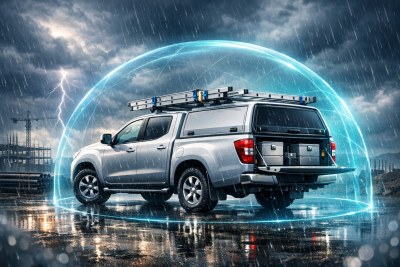
Why Severe Weather Should Trigger an Insurance Check for Tradies

Storms, floods and hail can turn a normal job site into a costly claims problem

Why Severe Weather Should Trigger an Insurance Check for Tradies?w=400

The information on this website is general in nature and does not take into account your objectives, financial situation, or needs. Consider seeking personal advice from a licensed adviser before acting on any information.

Renewed insurance industry warnings about severe weather are a practical reminder for Australian tradespeople: storm risk is not limited to damaged homes and flooded streets.
It can also affect tools in a ute, materials stored on site, unfinished work, temporary fencing, scaffolding, electrical gear, excavation areas and client property surrounding a job.

For tradies, the issue is bigger than whether a storm is likely this week. Weather-related damage can expose gaps between different policies. A commercial motor policy may respond differently to a tools policy. Contract works cover may apply to work in progress, while public liability insurance may be relevant if business activities contribute to third-party property damage or injury. The detail sits in the wording, exclusions, limits and excesses.

This matters at a time when many small trade businesses are already managing tighter cash flow and a broader affordability conversation around insurance. Cutting cover to save premium can be tempting, but underinsurance can leave a business paying the gap after a major event. A stolen generator, water-damaged switchboard equipment or hail-damaged work vehicle can quickly disrupt booked jobs and client deadlines.

Before the peak of storm season, tradies should review several practical points:

  • Check whether tools and portable equipment are covered away from the business premises, including while locked in a vehicle or trailer.
  • Review any exclusions or conditions for unattended vehicles, storage containers and overnight site storage.
  • Confirm whether materials on site, temporary works and partially completed work are covered under contract works arrangements.
  • Look at flood, storm, rainwater and hail definitions, as policies can treat these events differently.
  • Update asset lists, serial numbers, photos and purchase records so a claim can be supported quickly.

It is also worth taking time to estimate the replacement value of tools, plant and site gear using current prices, not what the items cost several years ago. Replacement costs have shifted across many categories, and old sums insured may no longer reflect the gear needed to keep working.

The key takeaway is simple: severe weather planning is part safety, part operations and part insurance housekeeping. Securing equipment, documenting site conditions and checking policy settings before an event can make the difference between a manageable claim and a prolonged interruption to income.

Published:Thursday, 3rd Sep 2026
Author: Paige Estritori

Please Note: We do not endorse any specific products or companies. Some content is sourced from third parties, including press releases, and may not be independently verified for accuracy or completeness.

Share this news item:

Rate this article

0 Comments

No comments yet. Be the first to share your thoughts.

Insurance News

Why Claims Delays Are a Wake-Up Call for Truck Operators
03 Sep 2026: Paige Estritori
Fresh industry reporting on insurance dispute volumes has again put claim handling under the microscope, with delays, communication gaps and disagreements over policy response continuing to frustrate policyholders. For transport businesses, the issue is especially important because a commercial vehicle claim is rarely just about repairing metal. A grounded truck can interrupt contracts, leave freight undelivered and place immediate pressure on cash flow. - read more
Why Severe Weather Should Trigger an Insurance Check for Tradies
03 Sep 2026: Paige Estritori
Renewed insurance industry warnings about severe weather are a practical reminder for Australian tradespeople: storm risk is not limited to damaged homes and flooded streets. It can also affect tools in a ute, materials stored on site, unfinished work, temporary fencing, scaffolding, electrical gear, excavation areas and client property surrounding a job. - read more
Why Advice Reform Could Help Australians Understand Their Income Cover
03 Sep 2026: Paige Estritori
Australia’s financial advice reform debate has moved back into the spotlight, with life insurers and advice groups continuing to argue that many people need simpler, more affordable help to understand the insurance they already hold. For income insurance customers, the issue is practical: cover can look straightforward on a statement, but the detail often sits in definitions, waiting periods, offsets, exclusions and claim conditions. - read more
What electric truck uptake means for your cover
03 Sep 2026: Paige Estritori
Recent fleet and transport industry coverage has again highlighted faster movement toward battery-electric and lower-emissions heavy vehicles in Australia, with truck makers, councils, logistics operators and specialist fleets moving beyond short demonstration runs. For truck operators, the insurance question is not simply whether electric trucks are better or worse than diesel. The practical issue is whether the policy reflects a different asset profile, different repair pathway and different downtime risk. - read more
Why Repair Bottlenecks Matter for Farm Insurance Claims
02 Sep 2026: Paige Estritori
Fresh industry concern about repair delays after severe weather is highly relevant for Australian farms, where a damaged shed, washed-out access track or unavailable part can quickly interrupt day-to-day operations. While the wider insurance discussion often focuses on homes and commercial buildings, the same pressure points can be even more complex on rural properties because assets are spread out, specialist equipment is involved and local contractor availability may be limited. - read more


Cyber Insurance Articles

Protecting Sensitive Data: Cyber Threat Prevention for Remote Teams
Remote work has seen a significant rise in Australia, especially following the COVID-19 pandemic. More businesses are embracing flexibility, allowing employees to work from home or other remote locations. - read more
Protect Your Data: Cyber Security Measures Every Aussie Company Must Implement
In today’s digital landscape, Australian companies face an increasing threat from cyber criminals. The paramount importance of cybersecurity has never been more evident, with the surge of incidents exposing the vulnerabilities in organizations' digital defenses. As we usher into an era where data breaches and cyber attacks are commonplace, protecting digital assets becomes a crucial part of doing business. - read more
10 Common Online Liabilities and How to Mitigate Them
In this digital age, online liabilities have become a crucial concern for individuals and businesses alike. At its core, an online liability refers to the potential risks and responsibilities associated with using the internet. These risks can range from data breaches to financial theft, and they have significant implications in our increasingly connected world. - read more
Understanding Cyber Threats and How They Affect Your Finances
Cyber threats refer to malicious acts that seek to damage data, steal information, or disrupt digital operations. These threats can come in various forms, such as malware, phishing attacks, ransomware, and more. - read more
Strengthen Your Defences: Implementing Effective Cybersecurity Protocols
In today's digital environment, Australian businesses need practical cybersecurity protocols to help protect sensitive data, digital assets and networks. Phishing, ransomware and data breaches can disrupt operations, create financial loss and damage reputation, so cybersecurity should be treated as an ongoing business discipline rather than a one-off technology task. - read more

Knowledgebase
Exclusion:
Specific conditions or circumstances for which the insurance policy does not provide coverage.